About Us

Who We Are

The Pacific NorthWest Economic Region (PNWER) is a statutory public/private non-profit created in 1991 by the states of Alaska, Idaho, Oregon, Montana, Washington, and the Canadian provinces of British Columbia, Alberta, Saskatchewan, and the Northwest Territories and Yukon. Our mission is to increase the economic well-being and quality of life for all citizens of the region, while maintaining and enhancing our natural environment.

Following the disruptions of the pandemic, PNWER established the Regional Tourism Council (RTC) to promote bilateral coordination between the U.S. and Canada and to facilitate timely industry and government dialogue and collaboration. The RTC is a group of regional leaders composed of an elected official and an industry representative from each of our ten PNWER jurisdictions. The RTC aims to provide expertise and stability and showcase our region as a leader of responsible, sustainable, and resilient tourism.

Our commitment to sustainability

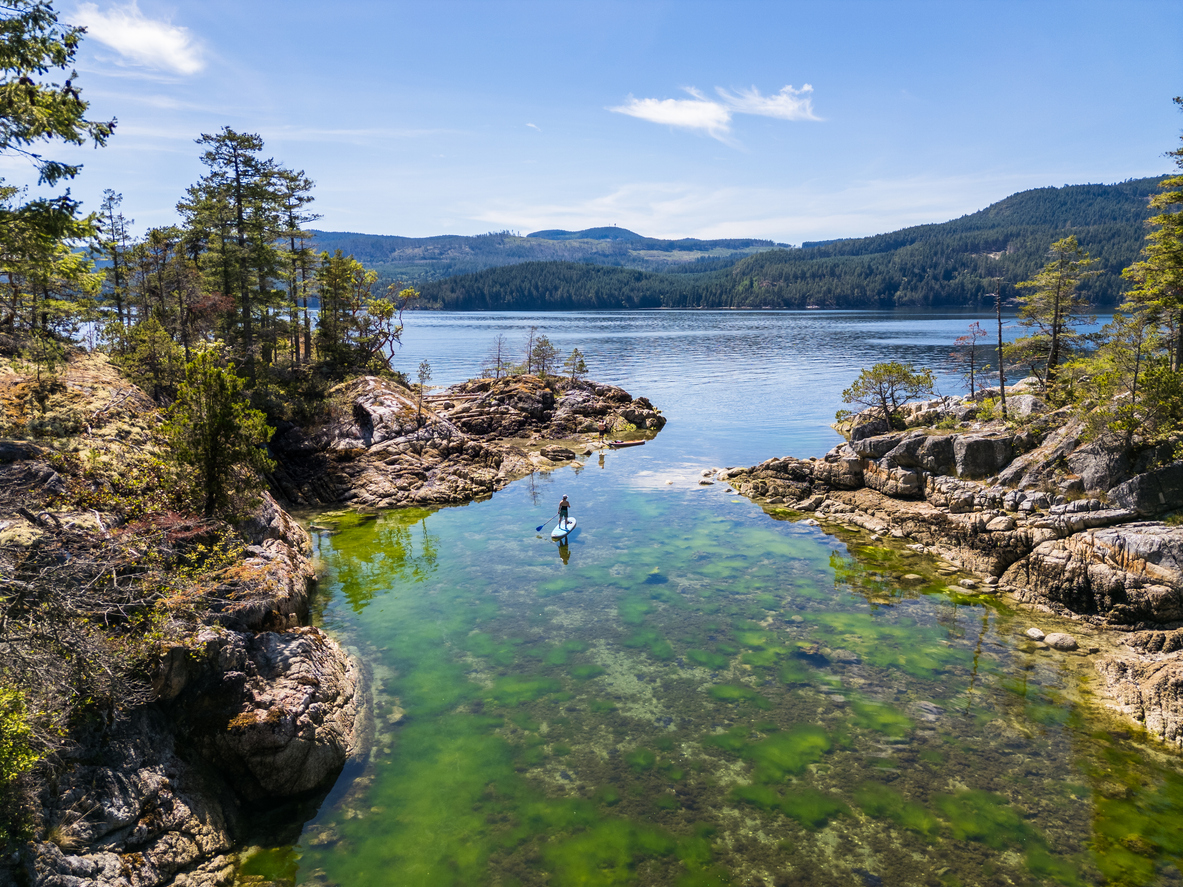
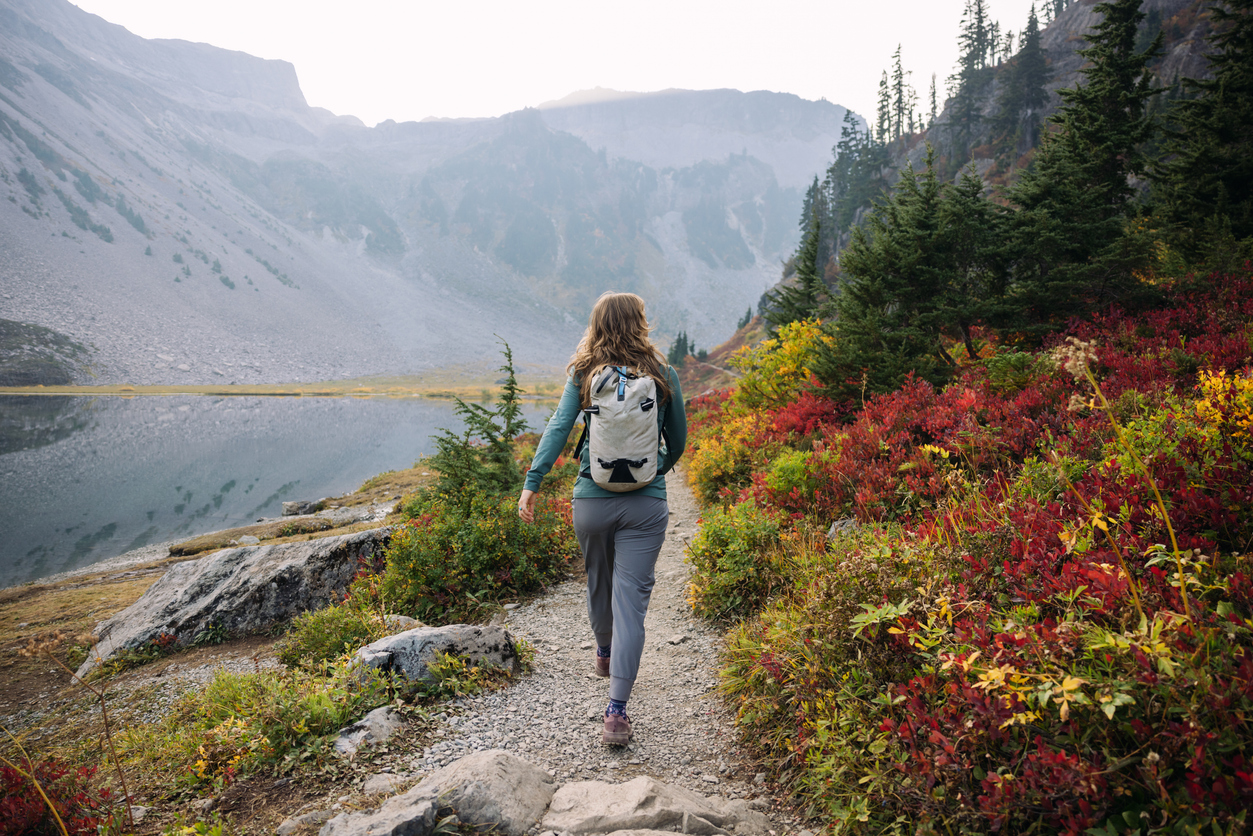
We are committed to working with our partners on both sides of the border, particularly our Indigenous and Tribal communities, to ensure that we maintain the integrity of our abundant yet fragile natural ecosystems and showcase the rich history and culture of our region. We are excited to explore the opportunities for responsible, sustainable, and resilient tourism growth in our region.

Likewise, the Port of Seattle is also committed to the environment and sustainability. Learn more about the Port’s programs at https://www.portseattle.org/environment.

Land Acknowledgement

The Port of Seattle exists on Indigenous land. We acknowledge the ancestral homelands of those who walked here before us and those who still walk here, keeping in mind the integrity of this territory where Native peoples identify as the Duwamish, Suquamish, Snoqualmie, and Puyallup, as well as the tribes of Muckleshoot, Tulalip, other Coast Salish peoples, and their descendants

We are grateful to respectfully live and work as guests on these lands with the Coast Salish and Native people who call this home. This land acknowledgement is one small act in the ongoing process of working to be in good relationship with the land and the people of the land.

PNWER Regional Tourism Council

Alaska

Senator Jesse Kiehl
Tanya Carlson, AK Travel Industry Assoc.

Alberta

Brandon Lunty, MLA
Shane Getson, MLA (Alt.)
Stefanie Jones, Travel Alberta

British Columbia

Brittny Anderson, MLA (Alt.)
Dave Cowen, The Butchart Gardens
Paul Nursey, Destination Greater Victoria (Alt)

Idaho

Senator Kevin Cook
Jeremy Chase, Visit Idaho

Montana

Representative Denise Baum
Jennifer Pelej, MT Dept. of Commerce

Northwest Territories

Stephanie Hardisty, Tourism & Parks
Donna Lee Demarcke, NWT Tourism

Oregon

Representative Annessa Hartman
Kevin Wright, Travel Oregon
Kate Baumgartner, Travel Oregon

Saskatchewan

Minister Alana Ross, Ministry of Parks,
Culture and Sport
Amy McInnis, Tourism Saskatchewan

Washington

Representative Cindy Ryu
David Blandford, State of WA Tourism

Yukon

Yukon Tourism and Culture
Amanda Deuling, Sport Yukon

Test

test

Lorem Ipsum Dolor

Lorem Ipsum Dolor

Learn more about PNWER

The Pacific NorthWest Economic Region (PNWER) is a statutory public/private non-profit created in 1991 by the states of Alaska, Idaho, Oregon, Montana, Washington, and the Canadian provinces of British Columbia, Alberta, Saskatchewan, and the Northwest Territories and Yukon. Our mission is to increase the economic well-being and quality of life for all citizens of the region, while maintaining and enhancing our natural environment. Learn more about PNWER at
PNWER Website
Land Acknowledgment: The Port of Seattle exists on Indigenous land. We acknowledge the ancestral homelands of those who walked here before us and those who still walk here, keeping in mind the integrity of this territory where Native peoples identify as the Duwamish, Suquamish, Snoqualmie, and Puyallup, as well as the tribes of Muckleshoot, Tulalip, other Coast Salish peoples, and their descendants. We are grateful to respectfully live and work as guests on these lands with the Coast Salish and Native people who call this home. This land acknowledgement is one small act in the ongoing process of working to be in good relationship with the land and the people of the land
linkedin facebook pinterest youtube rss twitter instagram facebook-blank rss-blank linkedin-blank pinterest youtube twitter instagram